UK Train Ticket Savings Guide: How to Combine Railcards, Advance Fares, and Split Tickets
Updated 2026-07-18 · Guide Zaizai
"Should I get a Railcard, how do I book Advance fares, and is split ticketing actually legit?" Most people treat this as a choose-one question, but that's the wrong framing. A Railcard determines whether you're eligible for a discount. An Advance fare determines whether your ticket is tied to a specific train. Split ticketing determines whether a journey is bought as one ticket or several. These are three separate layers, and when the conditions line up, you can use all three on the very same trip. This guide walks through Railcard, Advance, and Split Ticket in that order, then ends with a 4-way price comparison method for stacking all three on one fare.
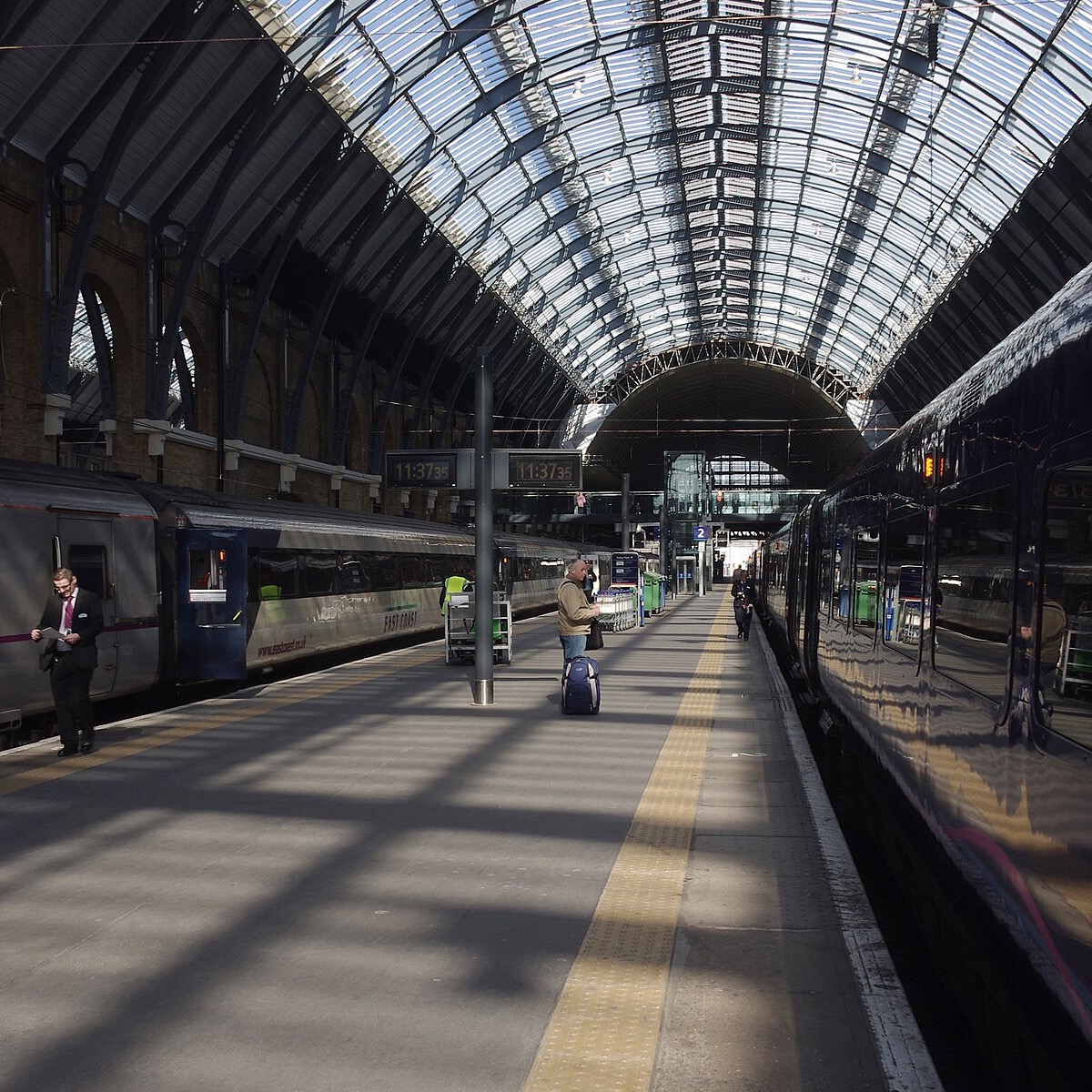
Railcards: Are They Worth It, and Which One Should You Buy
A Railcard is fundamentally a discount-eligibility pass, not a ticket itself — you need to add the cardholder as a passenger when buying to unlock the discounted fare, and you still need to show a valid Railcard on board. Both conditions have to be met.
Can visitors even buy one? Yes. The official 26–30 Railcard FAQ explicitly states that visiting tourists can buy online, using a passport (or UK driving licence, or EEA identity card) plus a digital photo — this card is digital-only. The 16–25 and Senior Railcards, which are issued by age, also accept a passport for age verification in their official FAQs, and the digital card is usually usable soon after purchase. Two boundaries are worth remembering, though: a Railcard only covers Great Britain (England, Scotland, Wales) — it doesn't cover Northern Ireland or the Republic of Ireland — and it must still be valid on the day you travel, not just valid on the day you bought it. Sort out the digital card before you leave home rather than scrambling with ID verification a few days before departure.
The cards most relevant to visitors:
- 16–25: for ages 16–25, or eligible full-time mature students in the UK; £35 for 1 year, £80 for 3 years. Weekdays 04:30–10:00 usually carry a £12 minimum fare (Advance tickets excepted), but that restriction doesn't apply on weekends, public holidays, or in July–August.
- 26–30: for ages 26–30; £35 for 1 year. The rules closely mirror the 16–25 card, but with one point worth flagging separately: the official 26–30 page does not list a July–August exemption — the £12 minimum fare on weekdays 04:30–09:59 applies year-round, so don't assume the 16–25 summer exemption carries over.
- Two Together: for two named passengers who must travel together every time; £35 for 1 year. Usable Monday to Friday from 09:30, and all day on weekends and public holidays — it won't help with an early weekday departure.
- Family & Friends: only worth it if at least one child is travelling with the group; £35 for 1 year, £80 for 3 years. Covers up to 4 adults plus 4 children — adults save 1/3 on eligible fares, children aged 5–15 save 60% — with extra peak-time restrictions in London and the South East.
- Senior: for age 60 and over; £35 for 1 year, £80 for 3 years. Within the Network Railcard area, some routes carry weekday peak-time restrictions — check by route.
- Network Railcard: for frequent travel in London and South East England, with an accompanying adult or children allowed; £35 for 1 year. Usually valid on weekdays from 10:00, with a £13 adult minimum fare; that restriction doesn't apply on weekends or public holidays.
Worth noting: the 16–17 Saver is also £35 a year and gives 50% off eligible Standard Anytime, Off-Peak, Advance, and Season tickets. Disabled Persons and Veterans Railcards also exist with their own eligibility requirements — we won't go into those here; the official Railcard selector is the fastest way to check before you travel.
Is it worth buying? Work backwards from "£35 card cost ÷ roughly 1/3 discount": once your eligible full-price fares for upcoming trips add up to around £105, you've nominally recouped the cost of the card. For Two Together, combine both travellers' fares to reach that same line. For the 16–17 Saver, the 50% discount lowers the break-even point to around £70. Family & Friends mixes two different discount rates — 1/3 off for adults, 60% off for children — so you can't apply the flat £105 line; run the numbers for your actual mix of adults and children instead. Treat this as a screening threshold, not a price guarantee — minimum fares, time restrictions, non-discountable portions, and rounding will all move the real number. The only way to know for sure is to add up every trip you've already committed to.
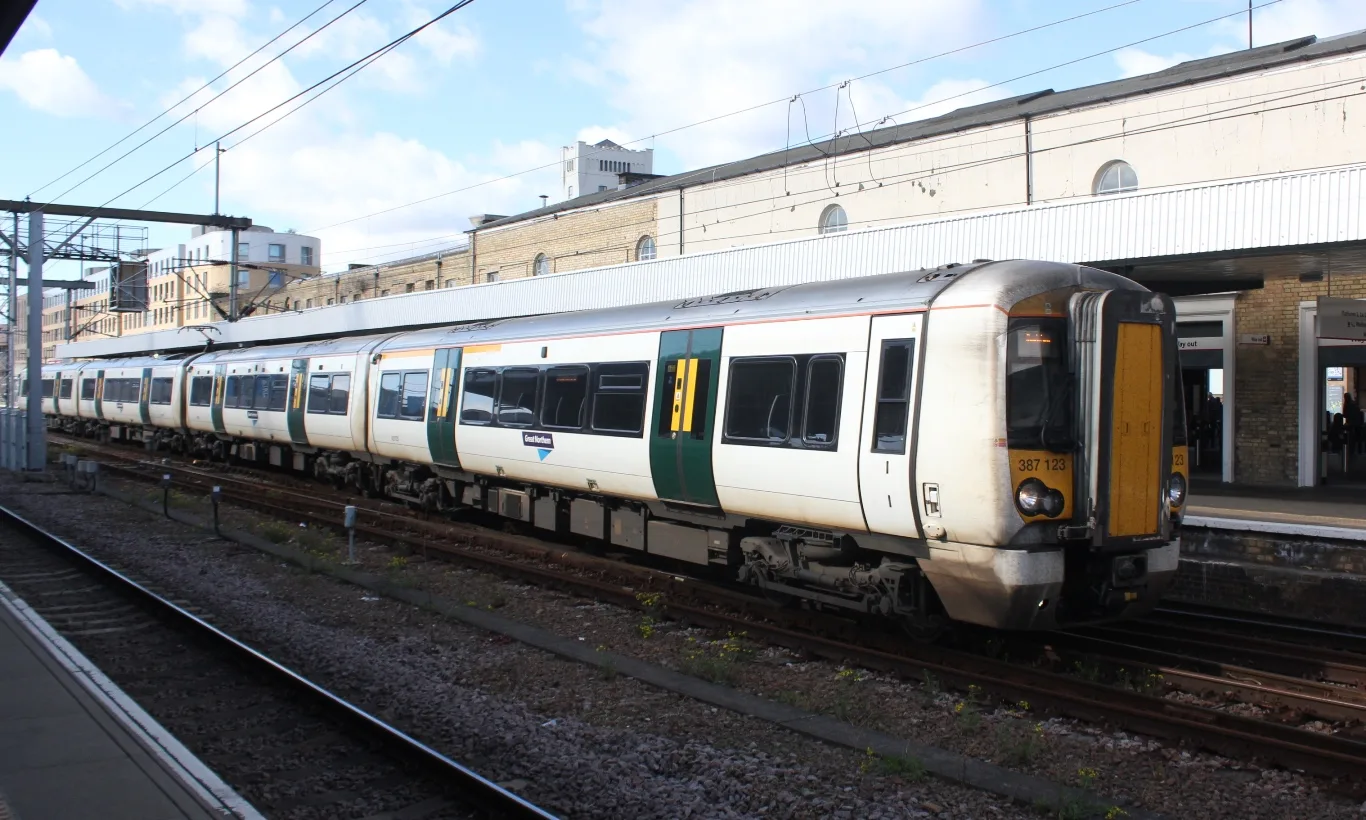
Advance Tickets: How to Book the Cheapest Fare, and What Flexibility Costs You
An Advance ticket is a single journey ticket, valid only on the specific date and specific train printed on it. You buy the outbound and return legs separately to build a full round trip.
Booking it for the best price: Advance tickets are limited in number and sold first-come, first-served, typically released around 12 weeks ahead of travel. But that doesn't mean every cheap fare has to be grabbed within that 12-week window — many routes still have availability on the day of travel, and some fares remain on sale until roughly 10 minutes before departure, just usually at a higher price by then. So "the earlier you book, the cheaper it is" isn't quite accurate — a better way to put it is "the earlier you check, the better your odds of catching cheap stock that hasn't sold out yet." This is also where a Railcard comes in: every National Railcard gives 1/3 off eligible Standard Advance fares, and some also apply to First Class Advance — this is the first place Railcard and Advance genuinely stack together. How to fold Split Ticket into that combination too is covered in the final section.
What flexibility costs you: you can change the date or time before your original journey starts, but that can carry a change fee of up to £10 plus any fare difference. Advance tickets are generally non-refundable, except when the train is delayed or cancelled and you decide not to travel — in that case a refund is available. Even on services without assigned seating, an Advance ticket is only valid for that specific service — the lack of a seat number doesn't turn it into a flexible ticket. The official rules (NRCoT clause 16) also don't allow breaking your journey partway through on an Advance ticket — a normal connection is fine, but you can't get off an Advance-ticketed journey partway, spend hours sightseeing, and then continue on a later train with the same ticket.
How missing your train is handled: if you're late for personal reasons — running behind, a museum visit overran, you went to the wrong station — you generally can't just hop on the next train; that ticket is effectively void and you'll need to buy a new one. But if an earlier connecting train that's part of the same booked itinerary is delayed or cancelled, causing you to miss the specific service you'd booked, NRCoT clause 9.4 protects you: you can take the next available train run by the same Train Company without penalty. The distinction is whether the delay was your fault or not — in practice, keep your full itinerary, all your tickets, and any evidence of the earlier delay, since that makes the conversation with station staff far smoother if this happens.
Two things are especially worth flagging for first-time visitors: avoid booking a tightly-connected Advance ticket on your arrival day — flights, baggage, and immigration queues are all outside your control, and if any earlier link runs late, that Advance ticket is likely unusable. And if your day-trip return might stretch to catch a sunset, a late dinner, or one more stop, compare the price gap between a flexible return fare and a fixed Advance return before booking — don't lock yourself into one specific train to save a few pounds.
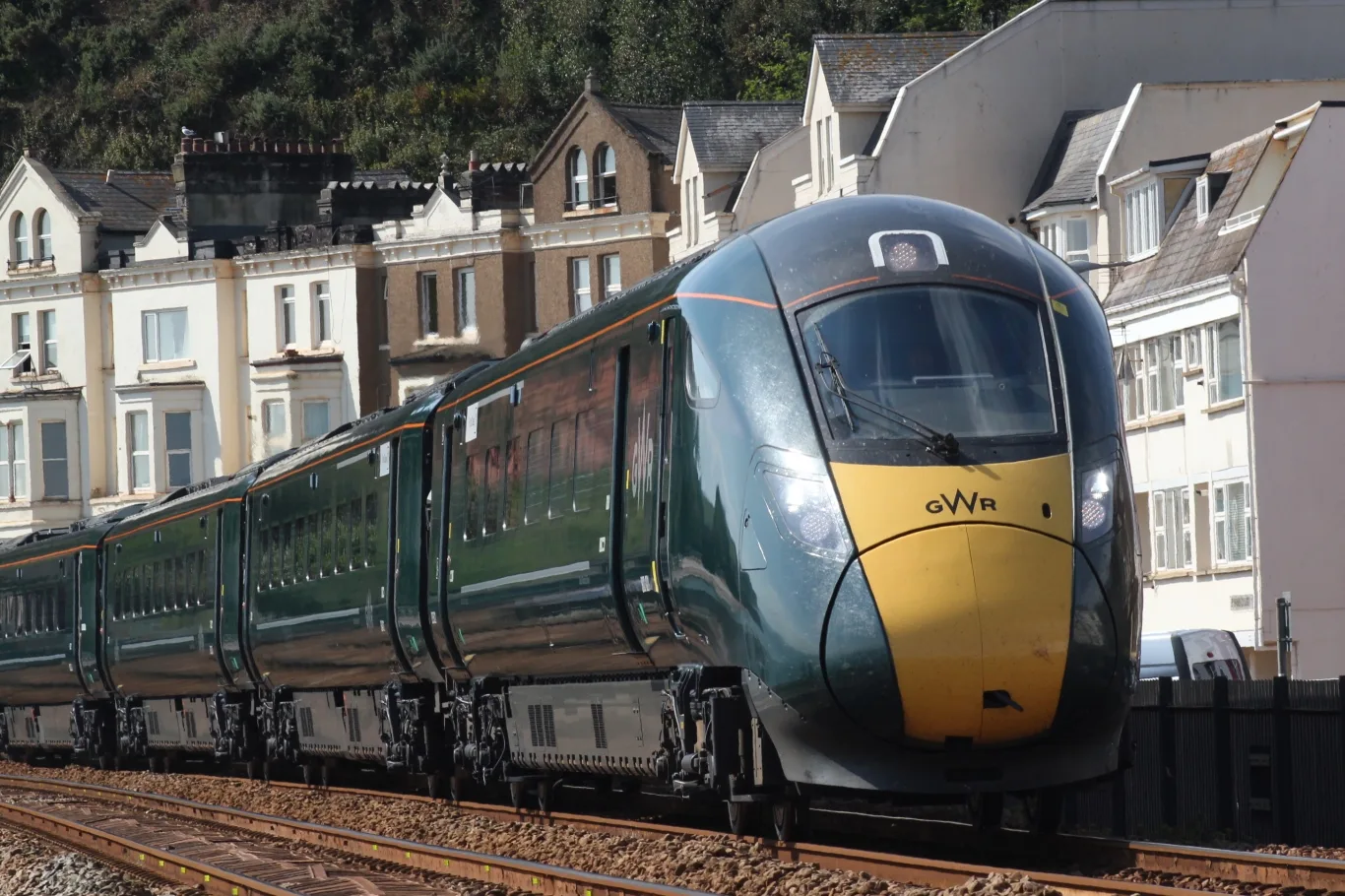
Split Tickets: Buying the Same Journey in Pieces — Is It Legal, and Do You Get Off the Train
Split ticketing isn't about buying one through ticket for your whole journey — instead, you buy two or more tickets that together cover the same route. Travelling from A to C, for example, you'd buy one ticket for A–B and a separate one for B–C.
On legality first: National Rail's own Split Train Tickets page, together with NRCoT clause 14, explicitly state that a journey can be completed using two or more tickets, unless a specific ticket rules out being combined this way. This isn't a grey-area trick — it's a normal way of buying tickets, written into the official conditions of travel.
How it actually works: there's really only one condition that matters — the train has to call at the station where your tickets split (station B) in a way that allows passengers to get on or off there. A train simply passing through B doesn't count, and neither do special stops marked pick-up only or set-down only. You generally do not need to physically get off and reboard the same train — you can stay in your seat as it passes through B. But if your original itinerary already involves changing trains at B, you still need to make that change; splitting the ticket doesn't remove that step. Each ticket in the split has to independently satisfy its own date, time, specified train, operator, route, class, and Railcard conditions — which means a Railcard discount can be applied separately to each eligible segment, and each segment could even be its own Advance ticket. If you have seat reservations, check that each segment is reserved separately, since you may need to change seats at the split point.
A few things to watch for: split ticketing isn't guaranteed to be cheaper, and not every service or fare type can be split — the right test is comparing the total price for the same train, same headcount, same Railcard, and same flexibility, not assuming a split fare is automatically the better deal just because it exists. On delays and refunds, National Rail is explicit that a journey made up of multiple tickets is covered by exactly the same delay, compensation, and refund rules as a single-ticket journey — provided you can produce tickets covering the whole journey. When you're crossing operators, or every segment is its own Advance ticket, keeping your complete itinerary along with every ticket number and QR code is the most useful thing you can have if something goes wrong.
National Rail itself doesn't offer an automatic split-ticketing tool — its Journey Planner only handles ordinary fare searches, not split-ticket combinations. Actually finding split fares means using a third-party tool, such as Trainline's SplitSave, TrainSplit, or TrainPal. Before you pay, check how their booking fee works, whether the full itinerary is shown clearly upfront, whether rebooking is handled per order or per individual ticket, and whether your seats are contiguous — these details are what actually determine how much you end up saving.
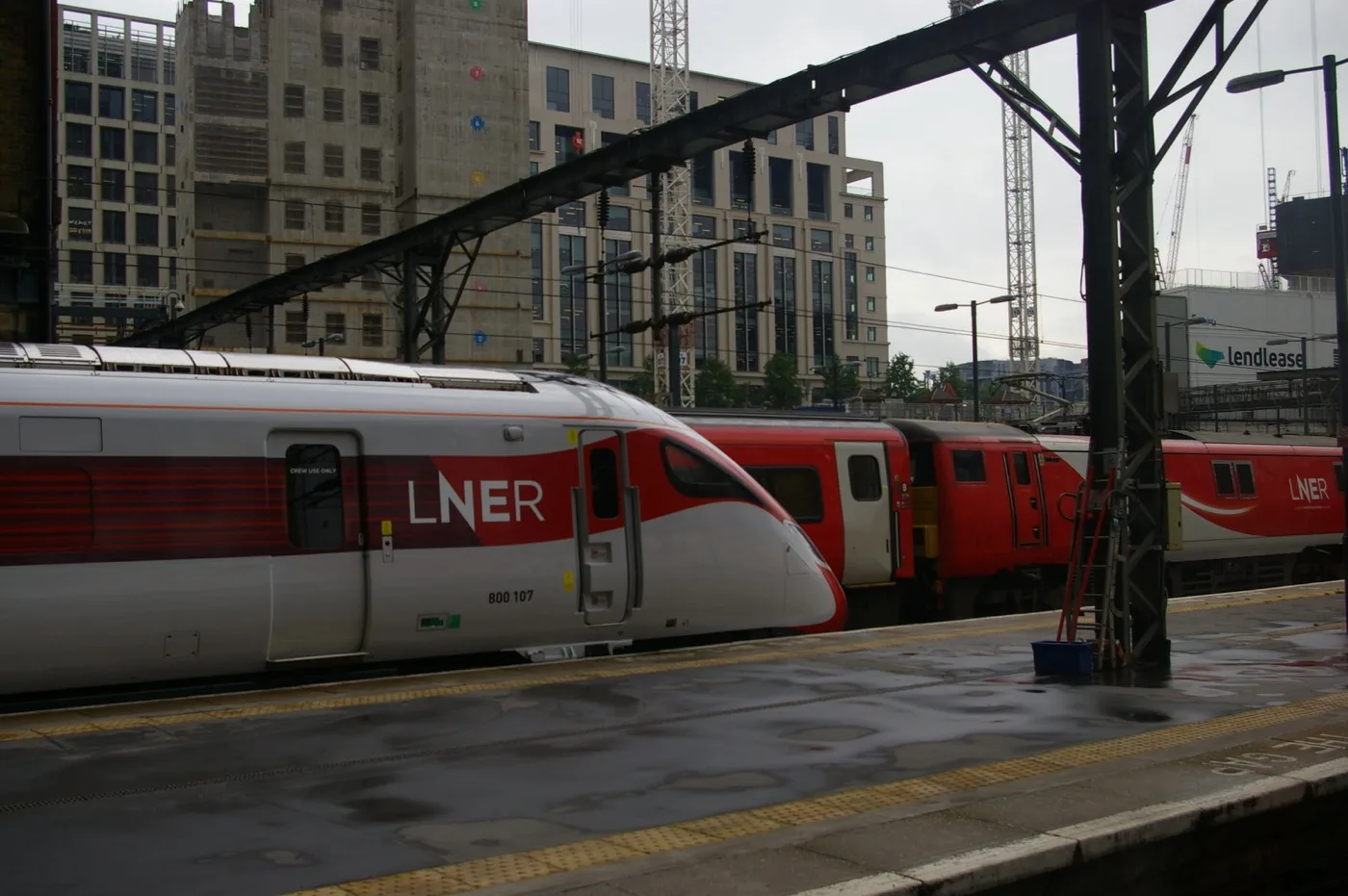
Stacking All Three: A Four-Way Price Comparison to Maximise Your Savings
The three sections above covered how Railcard, Advance, and Split Ticket each work on their own — they sit at three different layers: Railcard governs whether you're eligible for a discount, Advance governs whether your ticket is tied to a specific train, and Split Ticket governs how many tickets you use to cover one journey. National Rail spells this out clearly on its Split Train Tickets page: where eligible, a Railcard discount can be applied to each individual split ticket — and that's the official basis for why all three can stack. As long as each ticket independently meets its own conditions and the train calls properly at the split station, having a "Railcard discount + Advance pricing + Split Ticket" all apply to the same journey at once is entirely allowed.
The four-way comparison: before you pay, hold the same train, same headcount, and same flexibility constant, and work out these four totals in order: ① a through ticket, no Railcard; ② a through ticket, with Railcard; ③ the journey split into segments, no Railcard; ④ the journey split into segments, with Railcard applied to each eligible segment. Compare the final amount you'd actually pay across all four — not a "save up to 50%" banner on a booking page. Card costs and any platform fees need to be folded into the total, since that's what you're really paying.
Here's a worked example to show how the method runs — the numbers are illustrative only and don't represent a real fare on any specific route. Say two travellers, always together, are looking at a journey where the eligible through fare adds up to £120 combined. ① No card, through ticket: £120. ② A Two Together Railcard, discounted to roughly £80, plus the £35 card cost: about £115. ③ No card, the same train split into two segments, at a combined full price of £96: £96. ④ With Two Together applied to both segments, discounted to roughly £64, plus the £35 card cost: about £99. Line up all four and something counterintuitive shows up: for this one trip alone, option ③ — split tickets, no card — is actually the cheapest, because the £35 card cost outweighs what the discount saves on just this single journey. A Railcard only really pays off once you add up all your upcoming travel and the eligible total clears the break-even line — for a single trip in isolation, don't assume "card plus split tickets" is automatically the cheapest combination.
Choosing a combination by scenario:
- Your whole itinerary is fixed: run all four comparisons above and pick whichever total is lowest, as long as you're comfortable with the level of rebooking and reseating complexity that comes with it.
- Outbound time is fixed, return is still open (the most common situation for visitors doing a day trip): lock in the outbound leg with an Advance fare (plus a Railcard if you're eligible), and keep the return flexible with an Off-Peak or Anytime fare. Compare the price gap between a flexible return and a fixed Advance return first, then decide whether saving that amount is worth giving up flexibility on the way back.
- Two people always travelling together: work out whether a Two Together Railcard pays off first — remember it can't be used before 09:30 on weekdays, so an early departure will need an individual Railcard or an Advance fare without one. Add up both travellers' full set of confirmed trips to judge the break-even point, not just a single journey.
- Travelling as a family with children: a Family & Friends Railcard is only worth considering if at least one child is travelling with you. Adults save 1/3 and children save 60% — two different rates — so you need to rerun the numbers for your actual mix of adults and children rather than reusing an individual card's break-even line.
Don't chase the headline "% saved" figure on its own — a saving of £5 or £10 might come at the cost of multiple date-and-train-locked Advance tickets, an extra reseating, and a more complicated rebooking process if plans change. If the actual saving turns out to be small, a simple through ticket is often the easier choice for a first-time visitor who's already juggling jet lag and luggage.
Run through this checklist before you pay:
- Headcount, which Railcard you're using, fare type, travel date, and specified train are all confirmed.
- The split station is genuinely a normal stop where the train picks up and sets down passengers — not just a station the line happens to pass through.
- The final total you're paying includes the Railcard cost and any platform fees, not just the headline fare.
- All your split tickets and Railcard are saved to your phone and accessible offline, and your phone and a power bank are charged before you set off.
Save this four-way comparison method and run through it before your next UK intercity ticket purchase — it's a lot more reliable than trusting a homepage banner that says "up to 50% off." For how these methods play out on a specific route, see our London-to-Oxford transport guide or London-to-Cambridge transport guide. Whatever budget and mental energy you save on ticket-hunting is better spent on the museums that actually reward a slower look — the British Museum guided tour and National Gallery guided tour both help you make the most of the time you do have.
Fares, Railcard prices, and booking rules can change at any time — check National Rail and the relevant Railcard's official pages for the latest details before you book.
Related guided tours

Zaizai
UK Museum Guide