London to Oxford Day Trip: Train vs. Oxford Tube, When to Leave, and What to Do If You're Delayed
Updated 2026-07-18 · Guide Zaizai
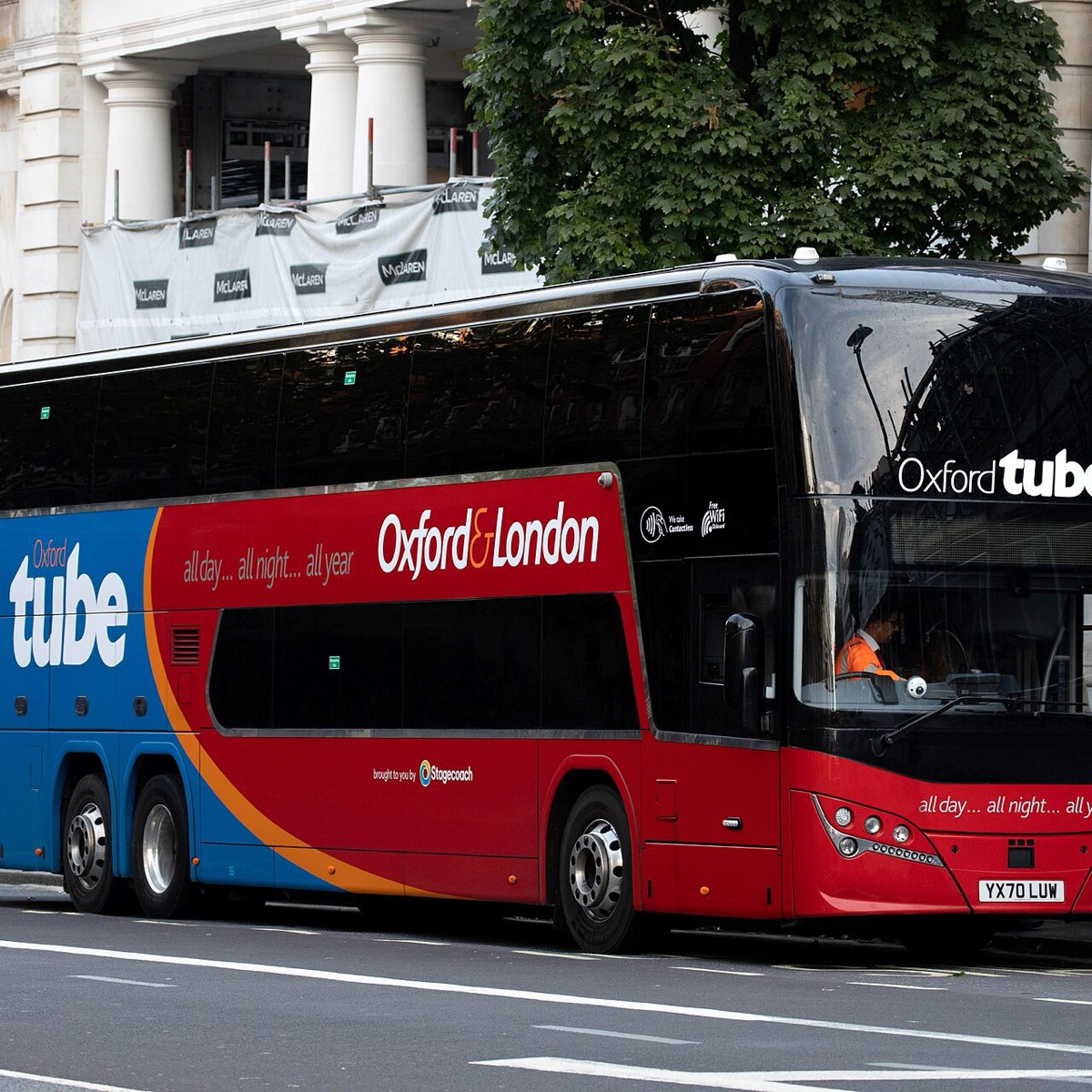
Two ways to get from London to Oxford: the train, or the Oxford Tube coach — and despite the name, it's not an Underground line. It's a long-distance coach, and it has nothing to do with the London Underground.
The train is quick, about an hour, but your ticket is tied to one specific service and it's hard to change. The Oxford Tube is more flexible and usually cheaper, but it sits in traffic and isn't as reliably on time. Short on time? Take the train. Working with a tighter budget, or staying closer to a coach stop than a train station? The Oxford Tube is the easier choice.
This guide walks you through it step by step: where to buy your ticket, which type to get, where to catch it, how to get off in Oxford, how to plan your evening return, and what to do first if something goes wrong.
Two things trip people up more than anything else. First: how close you're staying to your pick-up point matters more than the ticket price — walking from your hotel to where you can actually board can eat up half an hour, and that's often worth more than whatever you saved on the fare. Second: the scariest part of an evening return usually isn't "no service left" — it's showing up at your usual stop after dark and finding it's been moved because of a road closure or a nearby event. Both are covered in detail below.
Taking the train: where to buy, which ticket, where to board
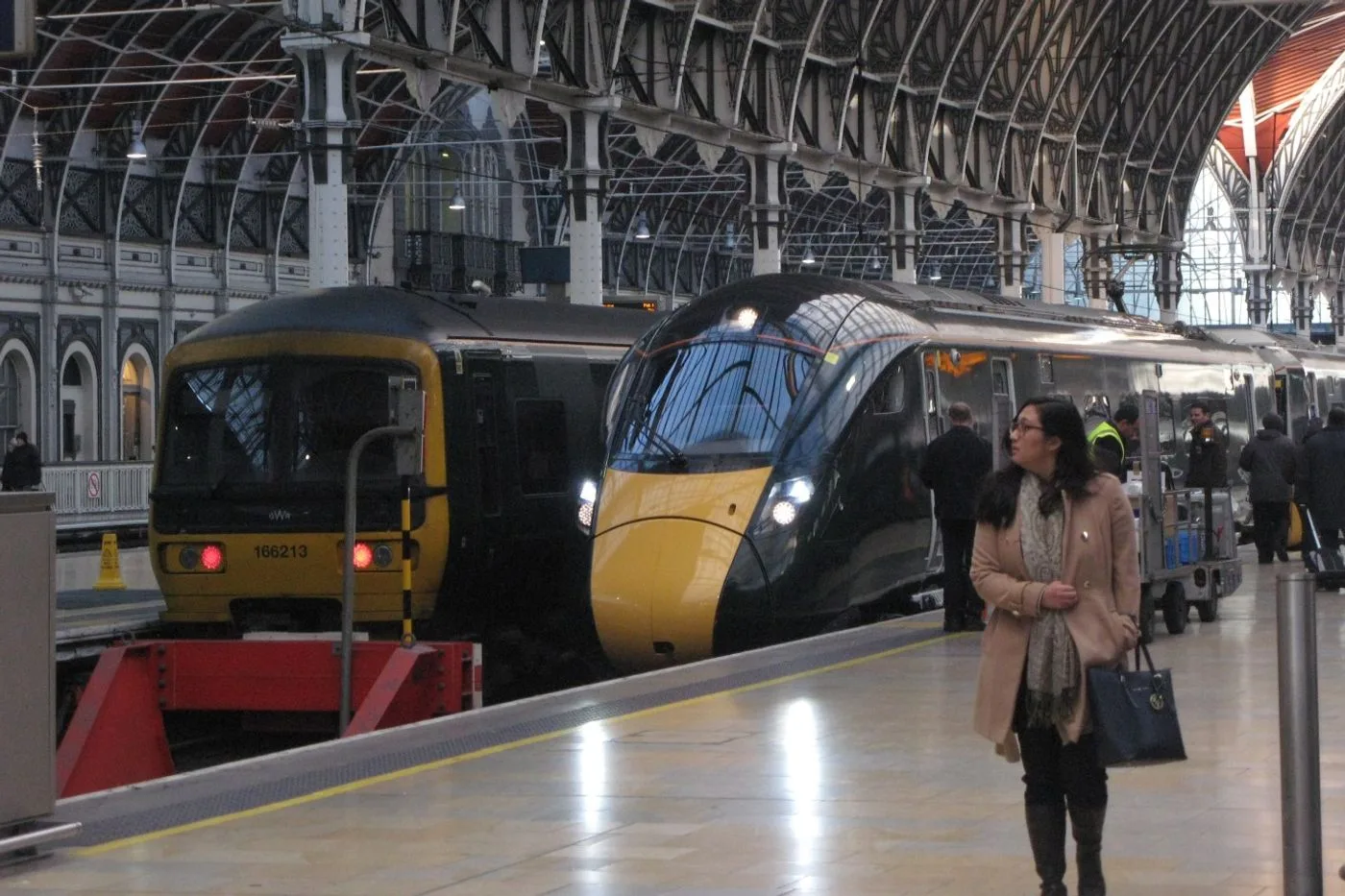
The train is run by GWR. You board at London Paddington (station code PAD) and get off at Oxford (OXF) — a straight shot, no need to watch for your stop (unless you've booked a service that requires a change — see "how long it takes" below).
Finding the right part of Paddington: Paddington is really two stations under one roof — an Underground station and a mainline rail station. You want the GWR/National Rail departure boards, not the Tube gate line. Once you're inside, look up at the big screen, find your train, and head for that platform.
Where to buy your ticket: the website, the GWR app, station ticket machines, or a staff window all work. International credit and debit cards (Visa, Mastercard) are fine both online and in person — you don't need a UK bank card. Buying ahead on the website or app and keeping it on your phone saves you queuing at a machine on the day.
Which ticket to buy:
- Already know exactly which train you're catching? Buy Advance — pick your date and service on the website or app and book it straight away. It's the cheapest option, and the earlier you book, the cheaper it usually is, so buy as soon as your day's plan is set. The catch: it's locked in. Changing before departure usually costs a £10 fee per ticket plus any fare difference, and once that train's gone, it's gone — no changes, no refund.
- Not sure exactly when you're travelling and want flexibility? Buy Off-Peak — it costs more, but you can board any service outside peak hours that day. You don't have to guess whether a train counts as off-peak from the time of day — the app tells you when you book, or check the restriction code printed on the ticket.
- Travelling with a Railcard, keep it on you — you'll need to show it. The group size, time of day and card type all have to match the conditions, or the discount doesn't apply.
Roughly how much: the exact fare depends on the date, the service and how early you book. The website or app shows the actual price when you book — worth checking both the Advance and Off-Peak prices before deciding.
How long it takes, how often: GWR's site says "around an hour," with the fastest services at 52 minutes. It lists up to 168 services a day — close to every 15 minutes on weekdays, so you're rarely waiting long. The fastest direct trains run via Slough and Reading; some services need a change at Reading or Didcot Parkway, so check whether your train is direct when you book — don't assume.
Getting through the gates: bigger stations like Paddington have ticket barriers — paper tickets go into the slot and pop back out (grab it), e-tickets get scanned at the reader. Smaller stations might not have barriers at all, and a conductor checks tickets on board instead. Either way, keep a valid ticket for that specific train on hand.
Travelling as a group: for 2–4 people, check GroupSave or Railcard group discounts before you book, and compare against the Oxford Tube's group fare too — the train isn't always pricier once there's a group of you, so check both sides.
Once you're off the train: Oxford station sits on the west side of the old city centre. Getting off isn't the same as arriving — it's a short walk in from Park End Street, so budget a few minutes for that.
One last check before you go: if there's engineering work at Oxford, Reading or Paddington that day, both the journey time and the first/last trains can change. Check National Rail's Status and Disruptions page for your travel date before you leave — more reliable than an old guide.
Taking the Oxford Tube: where to board, what it costs, where to get off
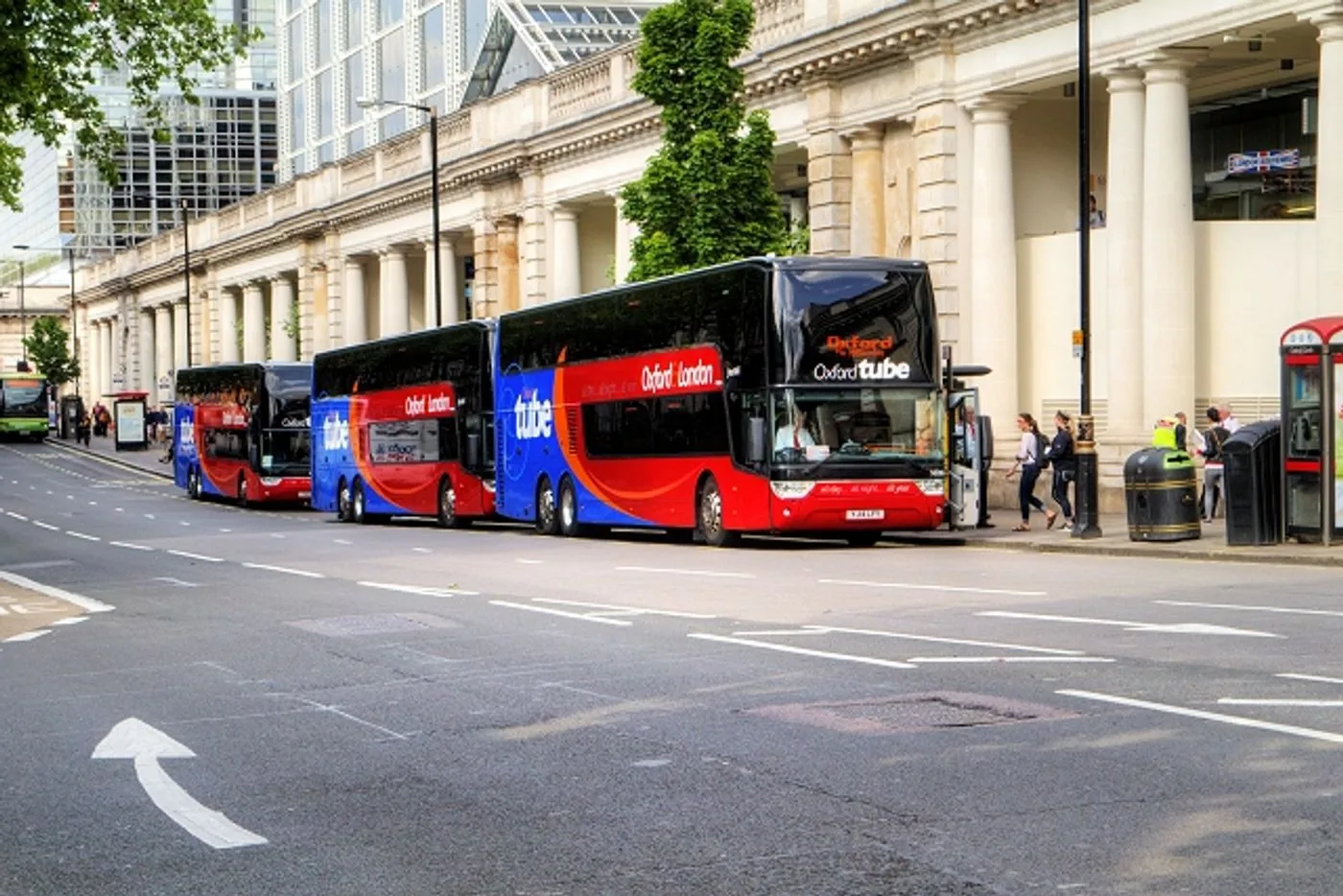
Worth saying again: the Oxford Tube isn't an Underground line — it's a long-distance coach between London and Oxford. "Tube" is just the name the operator picked; it has nothing to do with the London Underground, so don't go looking for it inside a Tube station. It runs 24 hours a day, every day of the year.
Where to board: check which stop is closest to where you're staying before you even look at the fare — door-to-door time usually matters more than the price difference. On the London side it stops at Victoria, Marble Arch, Notting Hill Gate, Shepherd's Bush, White City, Hillingdon and a few others — most of these are curbside stops next to the Tube station of the same name, not inside it. Once you're out of the Tube station, look for the stop on the street, and double-check the exact spot on the website or app before you travel. There's also a weekday-morning express via Baker Street, but that's a limited early-morning extra, not something running all day in both directions — don't plan around it as your default.
Where to buy your ticket: online, through the app, or straight from the driver as you board — all work, and you don't need to book days ahead. Buying on the day, even on board, is fine. No printing required, no barriers to go through — just show the driver the QR code on your phone or a paper ticket as you get on, same as any bus.
Roughly how much: the site advertises "from £15 single / £22.50 return." That "from" means not everyone gets that price — it depends on passenger type, where you book and the date. Check the app or journey planner for what you'd actually pay that day, rather than going by the headline price.
Getting off in Oxford: Gloucester Green is the main stop in the city centre — the site lists it as bay 2 or 3, worth double-checking in the app before you travel. It's about a 10-minute walk from the train station. The centre also has a few directional stops — Queens Lane, St Aldate's, Speedwell Street/Westgate — and your outbound and return stops might not be the same one, so check the direction before boarding.
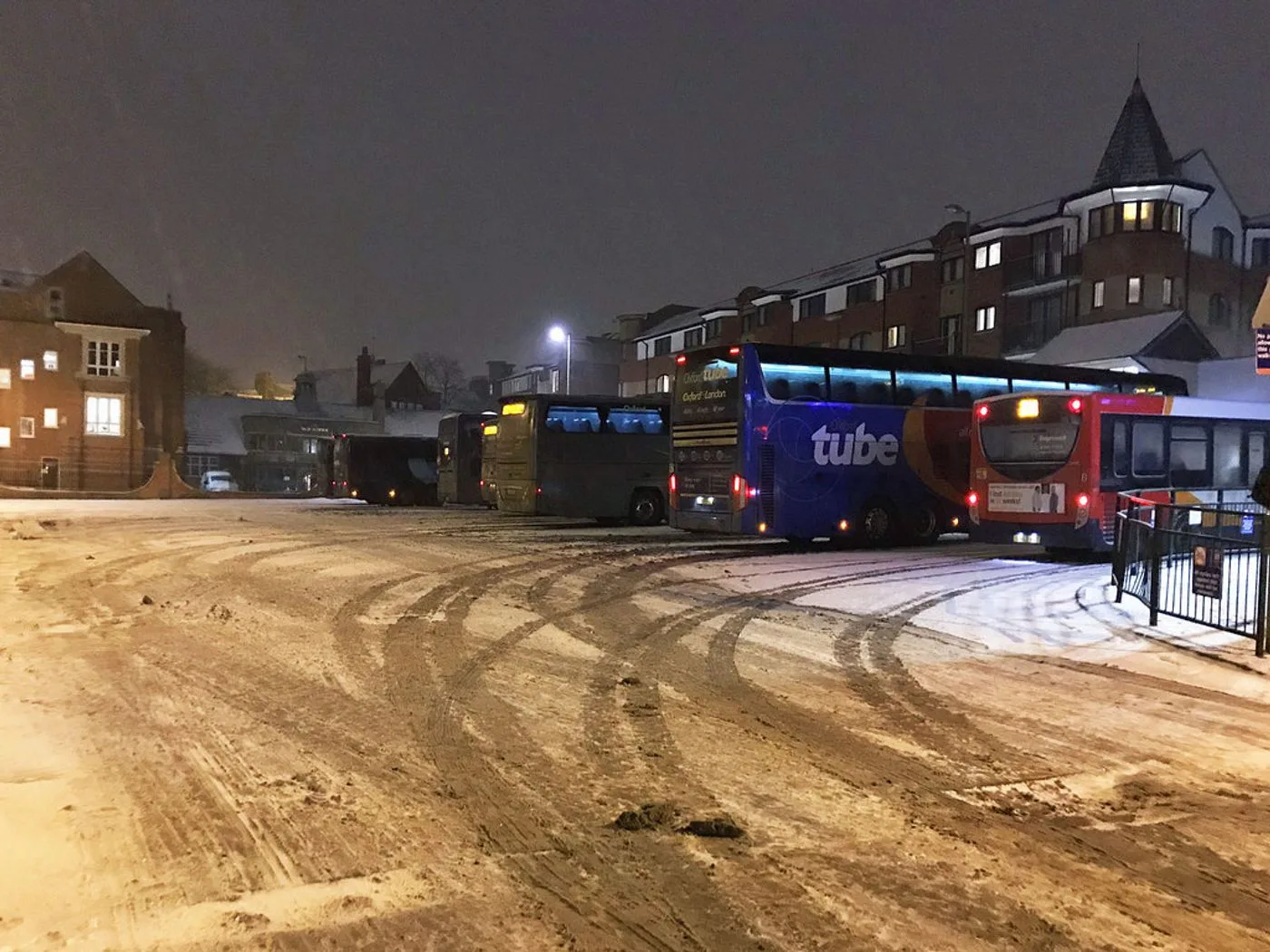
What "24/7" actually means: the site's "round the clock, every day" line describes a busy daytime schedule — services clearly thin out overnight. Overnight closures on the M40 (the motorway between London and Oxford), or big events in London (Hyde Park's summer concerts have shut Park Lane before, for instance), can get the Oxford Tube rerouted or moved to a different stop at short notice. That's not some rare fluke — it's a normal part of what "24/7" means on this route. Check the Oxford Tube's Service updates page before you leave — more reliable than remembering what an old guide told you.
Timing your day: how much buffer you actually need
For the morning leg: whichever way you're travelling, if you've got a time-bound plan waiting for you (a college booking, a tour, a show), don't treat the advertised journey time as your arrival time. On the train, budget extra time to get inside and find your platform; on the coach, budget extra time for morning traffic. Give your first booking a 30–45 minute margin instead of cutting it close.
For the evening, don't just think about "the last service" — split your return into three tiers instead:
- The plan: whichever service you'll realistically catch once your day wraps up normally. Build dinner and shopping time around this one.
- The backup: 45–60 minutes later than your plan, and still early enough to make it back to your hotel or catch the last Tube train home.
- The emergency-only option: not something you plan around — just a fallback if everything else falls through. Treating the last service of the night as your actual plan is the most common reason people end up panicking.
Neither mode's evening schedule matches what you saw in the afternoon — check again before you head back. About ten minutes before you're ready to leave: on the train, check GWR/National Rail's journey planner for that night's last train and any engineering work; on the coach, check the Oxford Tube app to confirm Gloucester Green and the central stops are running normally. Sundays and public holidays are especially likely to run differently from a weekday, so check the actual date, not what you remember from last time.
If something's delayed or cancelled: before you leave, mid-journey, and afterwards
Something's already wrong before you set off:
- Train cancelled or badly delayed: first check if your ticket covers another service. If not, claim a full refund on the unused ticket from wherever you bought it. Once that's sorted, check whether the Oxford Tube would actually be faster today.
- Oxford Tube showing heavy traffic or a stop change: follow the new stop listed under Service updates in the app — don't go by an old map you've got saved, the location may have changed.
Something goes wrong mid-journey:
- Your booked train is cancelled or running more than 60 minutes late: GWR will get you onto another service, though a seat isn't guaranteed — follow staff instructions on the ground. One thing to know: a train ticket doesn't get you onto the Oxford Tube, and vice versa — operators don't automatically accept each other's tickets unless "ticket acceptance" is explicitly stated.
- Coach stuck in traffic and you've got something time-critical waiting (a show, a flight): check train availability toward Paddington and the door-to-door time right then, and switch partway through if it makes sense — don't just sit in traffic hoping it clears.
If both sides fall apart at once: don't force the Oxford leg — push it back. If you're already in Oxford, prioritise getting back to your London base for the night over everything else. Keep your tickets, cancellation notices and screenshots — don't delete anything yet.
A short checklist for afterwards:
- Screenshot the original plan, the cancellation or delay notice, and whatever alternative the operator offered.
- Decided not to travel and the ticket's unused? Claim a refund from wherever you bought it — this is usually free.
- Travelled but arrived 15+ minutes late? GWR's Delay Repay can be claimed within 28 days — keep your ticket or proof of purchase, plus your original planned journey.
- Note down the exact time, place and what happened — these details are worth more later than however you remember it afterward.
Once you're actually in Oxford, visiting the colleges is a completely different set of rules — opening hours, whether you need to book, admission fees, short-notice closures: it's all set college by college. See our guide to visiting Oxford's colleges for that part.
There's no single right answer for train versus Oxford Tube — just weigh these for yourself: door-to-door time, total cost, whether the ticket can be changed, and how much risk of running late you can live with. Don't just go with whatever the homepage calls "fastest" or "cheapest."
Fares, timings and stop details above reflect official information at the time of writing — check GWR, National Rail and the Oxford Tube's own sites on the day you travel.

Zaizai
UK Museum Guide