Seven Sisters vs. the White Cliffs of Dover: Nature Goes to Seven Sisters, History Goes to Dover
Updated 2026-08-01 · Guide Zaizai
There are two "White Cliffs" in England that trip a lot of people up: Seven Sisters and the White Cliffs of Dover. Search "England white cliffs" online and both tend to show up together — but they're nothing alike once you're actually there. Seven Sisters is grassy downland rolling straight into chalk cliffs and the sea. Dover has a genuine medieval castle above the cliffs, plus a view across the English Channel to ferries coming and going.
Here's the one-line version: want natural scenery and cliff photos — go to Seven Sisters. Want a castle, history and the Channel — go to Dover. We've already written two full guides to Seven Sisters, so this piece only gives you the simplest route there (links below). Dover is new territory — how to get the train, what to do once you're off it, how to fit in the castle — and this guide walks through all of it step by step.
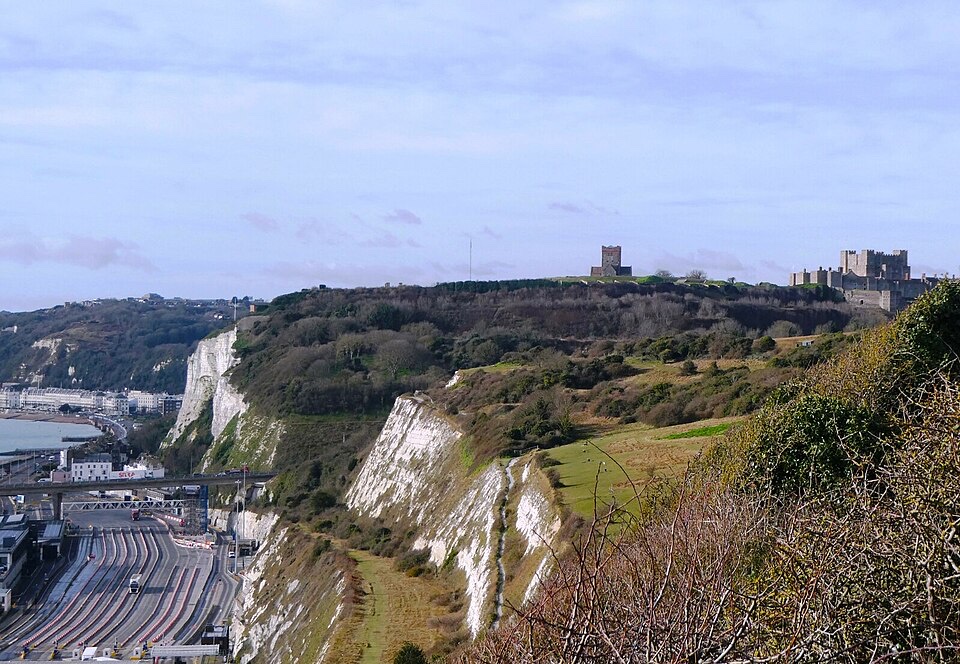
Seven Sisters: Natural Scenery, the Simplest Route in 4 Steps
We've already published two full Seven Sisters guides, so this isn't the place to re-cover choosing between the 1-hour, 3-hour and 6-hour versions, the difference between the 12/12X and 13X buses, or the safe detour around the Cuckmere river mouth. This is just the simplest possible route for anyone who wants a quick look and a quick decision.
Step 1: Train to Brighton
Take the train from London Victoria to Brighton. Search "London Victoria → Brighton" on the National Rail site or app to check the day's services and fares — don't fix on one specific departure.
Step 2: Bus to Seven Sisters Park Centre
From Brighton, change onto bus 12, 12A or 12X (part of the coastal Coaster network) to the "Seven Sisters Park Centre" stop — that's the visitor centre, not a clifftop viewpoint. Tap a contactless card or phone when you board, and check the fare on the day. Check the live timetable on Google Maps or the operator's site before you set off — no need to memorise it.
Step 3: Get off and look at the cliffs
You won't see the cliffs the moment you step off the bus — follow the signposted path toward the Cuckmere valley. How far you go is up to your own energy; you don't need to cross all seven summits. On a clear day the grass, chalk cliffs and sea line up for a great photo. Some of this is an outdoor trail, so wear comfortable, grippy shoes.
Step 4: Bus back the way you came
Once you're done, walk back to the visitor centre and catch the return 12/12A/12X to Brighton. If you've got time, stop for the beach, the pier or the town centre in Brighton before catching your train home.
For how to choose between the 1-hour, 3-hour and 6-hour versions, the difference between the 12/12X and 13X buses, and exactly how to get safely around the Cuckmere river mouth, see our full guide: How to Choose Your Seven Sisters Route. If you want a full day timed down to the hour, there's also Seven Sisters Without Backtracking: The Complete Eastbourne-to-Brighton Day Itinerary.
Dover: History and the Castle, Step by Step
Dover is the easier one to wrap your head around: no bus changes required. From London to the cliffs and the castle, it's just "train, then walk or taxi" — no bus at all.
Step 1: Train to Dover Priory
- From London St Pancras International, take the Southeastern high-speed service — search "London St Pancras International → Dover Priory." The operator advertises a journey time of around 1 hour 15 minutes, with multiple services running through the day. Exact departure times and intervals vary, so check that day's journey planner on the National Rail site or app rather than relying on this one number.
- Victoria and Charing Cross also run trains to Dover Priory, but they're usually slower than the St Pancras high-speed service — if you're short on time, St Pancras is the better call.
- Buy tickets through the National Rail site or app, Trainline, or the station's ticket windows and machines. Check the live fare on the day rather than assuming a price.
Step 2: Which way from the station — go to the castle first, not the cliffs
- Walking directly from Dover Priory to the White Cliffs entrance takes about 40 minutes officially, with an uphill stretch — just follow the brown pedestrian signs. That's the route for anyone skipping the castle, or who'd rather see the cliffs first. Travelling with older relatives or young kids, or don't want the uphill walk? Take a taxi straight to "White Cliffs of Dover Visitor Centre" — search that exact name on a map.
- If you're doing both the castle and the cliffs, go to the castle first. It has a fixed closing time and a higher ticket price, so going there first avoids the risk of running late because you lingered at the cliffs — the cliff trail is far more flexible and easy to shorten if you're short on time. For the walk from the station to the castle, check a map app on the day for the walking time and taxi fare; walk it yourself if you're up for it, or take a taxi or the day's bus instead.
Step 3: Dover Castle — budget at least 2.5 hours
- Book ahead on the English Heritage site (english-heritage.org.uk) — it's usually cheaper than buying at the gate. Opening hours and prices change by date, so check them on the day rather than relying on a fixed number.
- Give the castle at least 2.5–3 hours. Henry II's Great Tower, the 1216–17 siege exhibition, the medieval tunnels, the WWI Fire Command Post and the Roman-era lighthouse (the pharos) are all open — it's easy to lose more than 3 hours in there.
- One important thing to know: the Secret Wartime Tunnels (including the WWII Underground Hospital) are currently closed for maintenance, with no confirmed reopening date. If that's specifically what you came for, check the current status on the official site before you go — don't find out only once you're there.
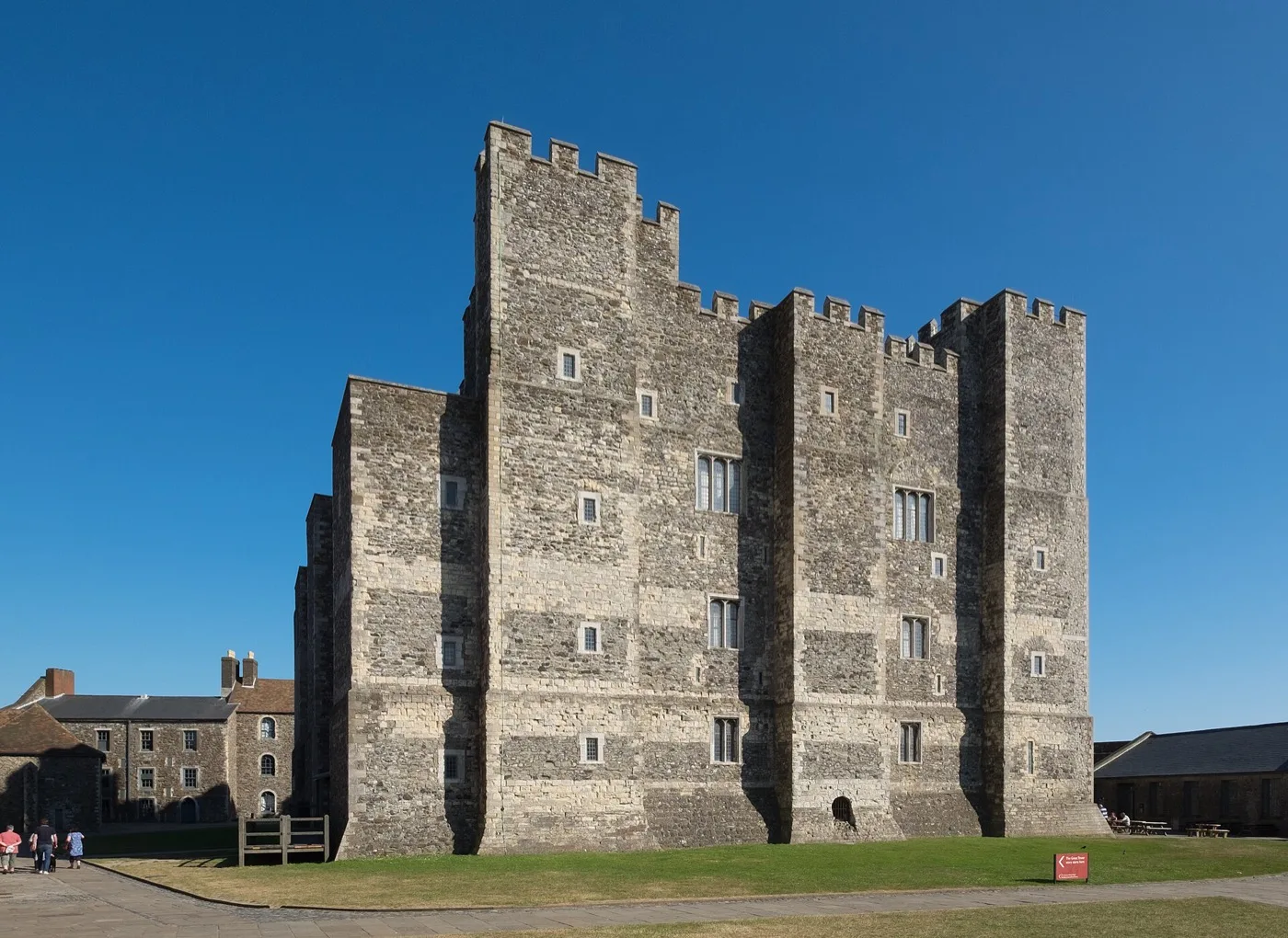
Step 4: Walk from the castle to the cliffs on the official trail
After the castle, follow the National Trust's recommended path to the White Cliffs of Dover Visitor Centre — about 2km, 30 minutes, fully paved the whole way. This route exists specifically to avoid the busy, narrow road between the castle and the cliffs, so don't try to shortcut along that road yourself. Search "White Cliffs of Dover Visitor Centre" on a map to find it — no need to memorise the turns.
Step 5: Walking the cliffs — pick one based on time and energy
Walking the cliff trail itself is free — no ticket needed. The lighthouse interior and Fan Bay Deep Shelter are separately ticketed or have their own opening restrictions, same as the castle.
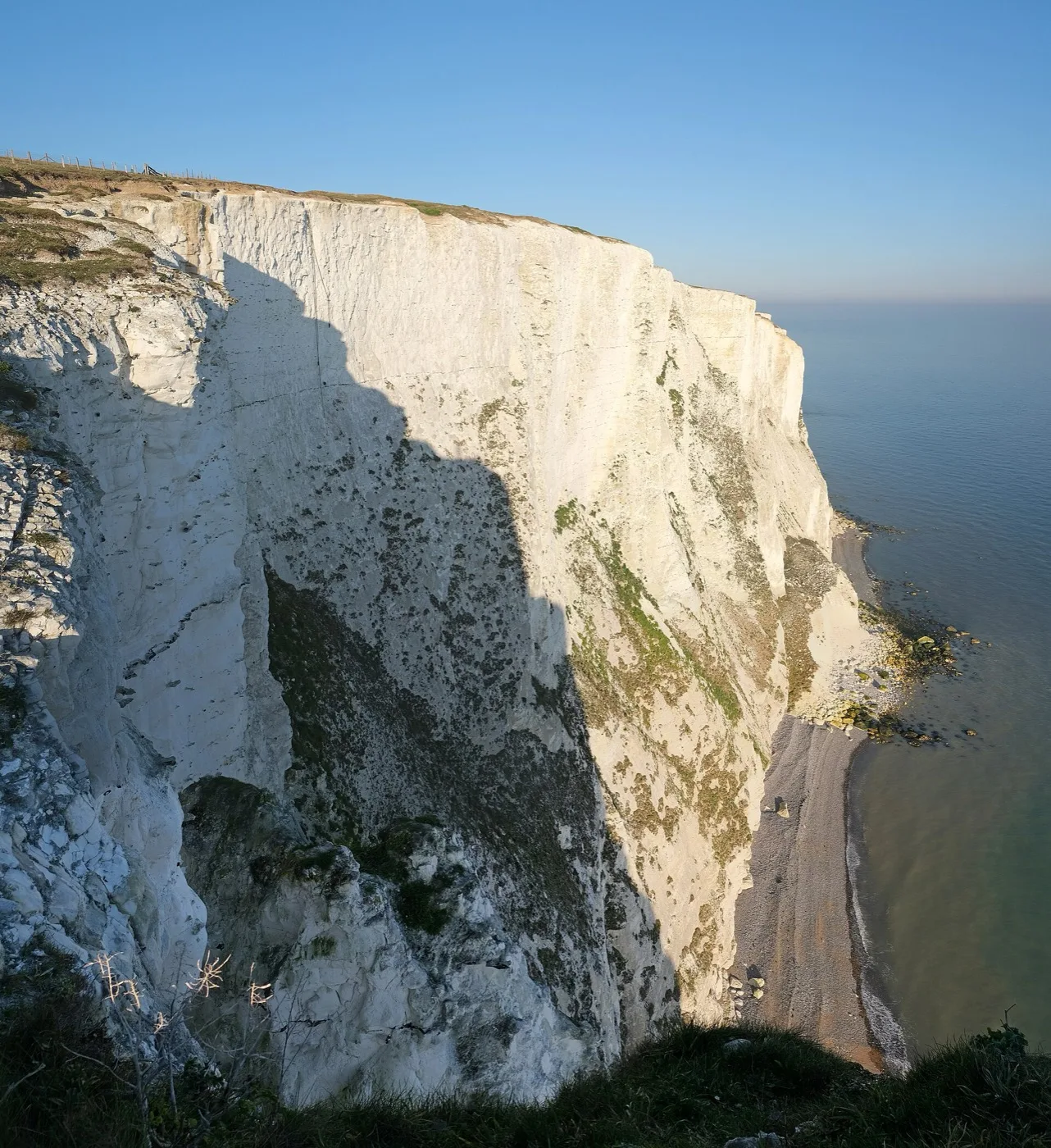
- Short on time, or already spent a while at the castle: walk about 400 metres from the car park near the visitor centre to the official viewpoint. 45–90 minutes covers the cliffs and the Channel — plenty for most people.
- Time and energy to spare: walk the round trip from the visitor centre to South Foreland Lighthouse — officially about 5.6km, 1 hour 40 minutes, with one steep, stepped stretch. Pace yourself.
- On a clear day with good visibility, you might catch a distant view toward France across the Channel — but that's down to luck, not something you can count on every visit.
- The clifftop also gives you a reliable view of Dover Harbour and ferries coming and going — the biggest visual difference from Seven Sisters, which is pure natural coastline with no harbour or ships in the picture.
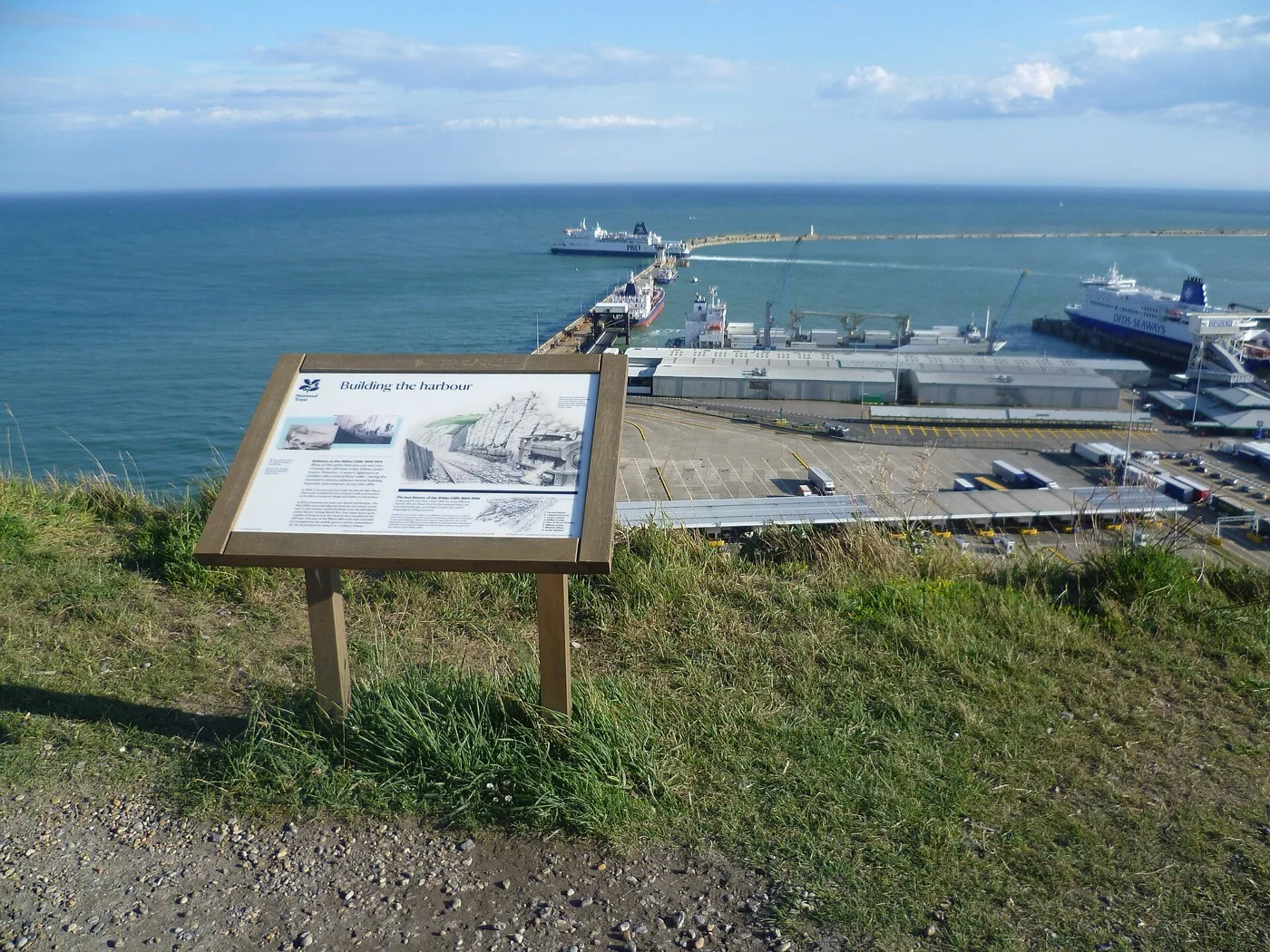
Step 6: Getting back
Walk back or take a taxi to Dover Priory station, then take the Southeastern train back to London — check the day's services on National Rail, and don't count on catching the very last one. Taxis around the cliffs aren't always reliable — some visitors report long waits. Don't leave it until the last minute: ask visitor centre staff for a local taxi number in advance, or build in time to walk back as a backup.
How to Actually Choose: 6 Concrete Criteria
Both routes above already cover how to get there and what to do — here's just what you need to make the call:
- You like grass, coastline and big natural views, want a photo with cliffs, grass and sea in one frame, and don't mind an outdoor trail — Seven Sisters.
- You like castles, history and military stories, and want to see the Channel and a working harbour — Dover.
- You'd rather not think about bus routes and stops at all, just one train there and back — Dover is the easier one (you'll still walk or taxi from the station, but no bus changes).
- Half a day only, want to minimise walking — for Seven Sisters, stick to the simplest visitor-centre-to-valley version; for Dover, pair the castle with the 400-metre viewpoint and skip the lighthouse round trip.
- Travelling with older relatives or young kids — don't push the long version at either site; do the simplest Seven Sisters route, and at Dover, taxi from the station and skip the lighthouse round trip.
- Only got a windy, rainy window to work with — lean toward Dover, since more of it is indoors at the castle. Either way, don't force a clifftop walk in genuinely bad weather.
The short version: nature and photos, go to Seven Sisters. History and castles, go to Dover.
What to Pack: Gear That Works for Both
Both sites are outdoors, and once you're on the trail, food and drink aren't always easy to find. Sort these out before you go:
- Water and snacks for the walk — there isn't always a shop along the way, so bring enough with you.
- A power bank — signal is patchy on parts of the Seven Sisters trail, which can mess with navigation; there's not much in the way of shops right after you get off at Dover either. Useful at both.
- Offline maps downloaded in advance — don't count on looking up directions once you're there, signal isn't reliable along either route.
- A windproof, waterproof jacket — the wind off the English coast is much stronger than in town, strong enough to catch you off balance even on a sunny day, and the weather can turn fast.
- Comfortable, grippy shoes — both sites have outdoor trails, and wet ground after rain makes grip even more important. Skip flip-flops or anything with a smooth sole.
- Cash or a backup card — shops and visitor centres along the way don't all take the same payment methods.
- Check the weather the day before and again the morning you leave — wind and rain forecasts can shift from what you saw the day before.
Large stretches of the clifftop have no barrier, and the chalk can collapse without warning — wherever you go, don't edge in for a photo, and don't linger directly under the cliff face. Both sites, same rule.
Whichever white cliffs you end up choosing, running through this list before you leave is what keeps a forgotten item or a missed weather check from derailing your day.
Train times, bus services and Dover Castle ticket prices in this article reflect official information at the time of writing — check National Rail, Southeastern and English Heritage's own sites on the day you travel.

Zaizai
UK Museum Guide